
Simple Ways to Reduce Household Paper Clutter
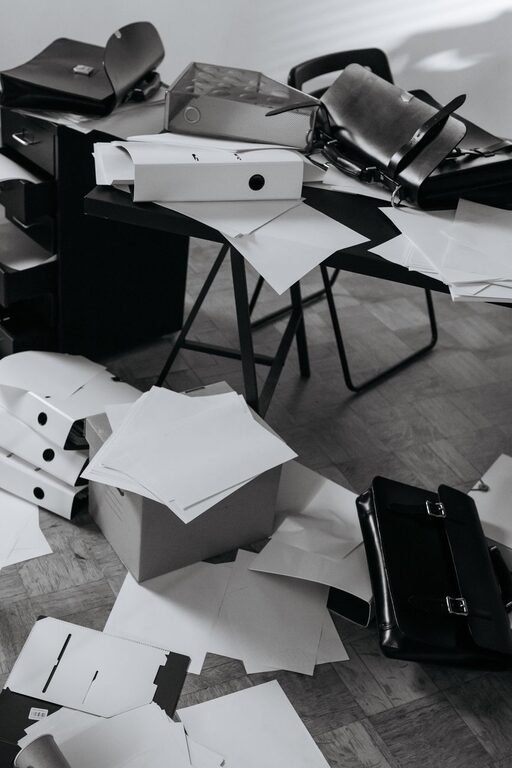
Keeping paper clutter under control can feel like an endless battle. Mail, receipts, bills, school papers, and other documents often pile up quickly, leading to a messy and overwhelming environment. Fortunately, with a few simple strategies, you can reduce paper clutter and maintain a tidier home. In this post, we’ll explore practical tips to help you manage paper efficiently and keep your living space organized.
Why Reducing Paper Clutter Matters
Paper clutter not only makes your home look messy but can also cause stress and make it difficult to find important documents when you need them. Reducing paper clutter can:
– Save you time by making items easier to locate.
– Help keep your home cleaner and more inviting.
– Make it easier to focus and feel relaxed in your space.
– Reduce waste and support environmentally friendly habits.
Step 1: Sort and Purge Regularly
Create a Sorting System
Start by setting up areas or bins for sorting papers into categories such as:
– Urgent or action needed (bills to pay, forms to fill out)
– Important documents to keep (tax records, warranties)
– To scan or digitize
– Recyclable or trash
Schedule Regular Purges
Choose a time weekly or monthly to go through your papers. Quickly discard anything you don’t need. Be ruthless about getting rid of outdated offers, junk mail, and duplicate documents.
Step 2: Digitize Important Documents
Scan and Store Digitally
Use a scanner or a mobile scanning app to create digital versions of important papers. Store these files in organized folders on your computer or cloud storage. This reduces the need to keep physical copies.
Use Cloud Storage Services
Services like Google Drive, Dropbox, or OneDrive allow you to access documents from anywhere, without cluttering your home. Make sure you label files clearly for easy retrieval.
Backup Your Files
Always maintain backups to prevent loss of important digital documents. External hard drives or additional cloud services work well for this purpose.
Step 3: Manage Incoming Paper
Go Paperless When Possible
Contact your utility companies, banks, and subscription services to switch to paperless billing and statements. This can significantly reduce the amount of paper entering your home.
Create a Mail Station
Designate a spot near your entrance for incoming mail. Use a simple tray or basket to collect mail and sort through it daily. This prevents papers from spreading across various surfaces.
Open and Process Mail Immediately
Try to open mail as soon as it arrives. Take action by paying bills, filing documents, or recycling junk mail right away.
Step 4: Organize What You Keep
Use Filing Systems
Set up a filing cabinet or portable file box with clearly labeled folders for different paper categories like taxes, medical, insurance, and receipts.
Use Binders and Folders
For papers you access regularly, binders with dividers or accordion folders can help keep things neat and accessible.
Create Reference Files
Keep manuals, warranties, and user guides in one area. This makes it easy to find information when you need it without searching through piles of paper.
Step 5: Develop Habits to Maintain Order
Daily or Weekly Paper Routine
Commit to tidying your paper clutter regularly. Even 10-15 minutes a day can prevent buildup.
Educate Household Members
Encourage everyone in your home to follow paper management rules. Share your system and make it simple for everyone to participate.
Limit Paper Use When Possible
Use digital note-taking apps and reminders. Print only when necessary, and recycle immediately after use.
Bonus Tips for Paper Clutter Control
– Use envelopes or small trays for receipts to keep them contained.
– Label everything clearly to make sorting easier.
– Keep a shredder handy for documents with sensitive information.
– Recycle papers you no longer need promptly to avoid pileups.
—
Reducing paper clutter doesn’t require a massive overhaul. By incorporating these simple habits and tools into your routine, you can enjoy a cleaner, more organized home with less stress and clutter. Start small, stay consistent, and watch your paper piles shrink!