
How to Create a Relaxing Home Workspace for Better Focus
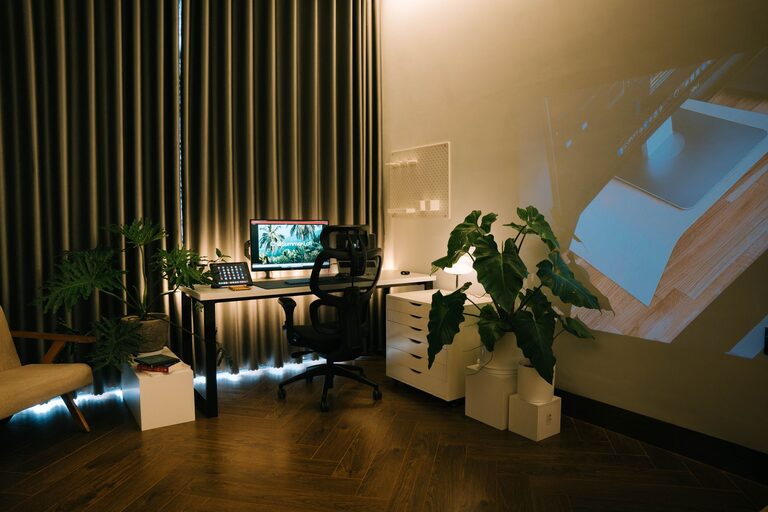
Creating a relaxing home workspace is essential for maintaining focus, reducing stress, and improving overall productivity when working remotely. Whether you have a dedicated room or just a small corner, designing a calm and comfortable environment can make a significant difference. In this post, we’ll explore practical tips and ideas to help you turn your home workspace into a soothing and efficient place to work.
Why a Relaxing Workspace Matters
Working from home can be challenging due to distractions and the blurring of boundaries between personal and professional life. A relaxing workspace helps:
– Enhance concentration
– Reduce anxiety and burnout
– Foster creativity and motivation
– Promote better posture and physical comfort
By intentionally crafting your workspace, you create a positive atmosphere that supports your mental and physical well-being.
Choosing the Right Location
Find a Quiet Spot
Select a space in your home that experiences minimal noise and foot traffic. A corner in your bedroom, a spare room, or even a section of the living room can work well if it’s relatively quiet.
Maximize Natural Light
Natural light improves mood and energy levels. Position your desk near a window if possible, but avoid glare on computer screens by setting up perpendicular to the window.
Consider Privacy
If you share your home with family or roommates, think about ways to establish boundaries. Using room dividers, curtains, or noise-cancelling headphones can help create a more private and peaceful work zone.
Designing Your Workspace Layout
Keep It Simple and Organized
A clutter-free workspace promotes relaxation by minimizing distractions. Use shelves, drawers, and organizers to keep supplies tidy and within reach.
Ergonomic Setup
Invest in an ergonomic chair and position your monitor at eye level to reduce strain on your neck and back. Ensure your keyboard and mouse are at a comfortable height to prevent wrist pain.
Personalize Mindfully
Add a few personal touches like photos, artwork, or plants, but avoid overcrowding. Choose items that inspire calm and positivity without overwhelming the space.
Creating a Calming Atmosphere
Choose Soothing Colors
Colors can influence your mood. Soft blues, greens, or neutrals are known to create a peaceful environment. Avoid overly bright or harsh colors that may cause distraction.
Incorporate Nature
Indoor plants not only improve air quality but also boost feelings of well-being. Easy-to-care-for plants like succulents, pothos, or snake plants are great options for any workspace.
Use Soft Lighting
In addition to natural light, use warm, soft lighting such as desk lamps or floor lamps with adjustable brightness. Avoid harsh overhead lights that might cause eye strain.
Add Relaxing Scents
Consider using essential oils or scented candles with calming fragrances like lavender, chamomile, or eucalyptus to enhance relaxation. Always ensure proper ventilation and check that scents won’t cause allergies.
Managing Noise and Distractions
Use Noise-Cancelling Headphones
If external sounds are unavoidable, noise-cancelling headphones help create a quieter ambiance to improve focus.
Play Background Music or White Noise
Soft instrumental music or white noise apps can mask distracting sounds and support concentration.
Set Boundaries and Breaks
Communicate your work hours to family or housemates to minimize interruptions. Take regular breaks to stretch and refresh your mind.
Organizing Your Work Essentials
Keep Frequently Used Items Accessible
Place your most-used tools like notepads, pens, and chargers within easy reach to avoid unnecessary searching.
Use Cable Management
Tidy up cables with clips or sleeves to prevent tangling and keep your desk looking neat.
Digital Organization
Maintain an organized computer desktop and use productivity apps to track tasks and deadlines efficiently.
Maintaining Your Relaxing Workspace
Daily Tidying
Spend a few minutes at the end of each day to clear your desk and organize supplies. This habit keeps the space inviting for the next day.
Seasonal Refresh
Every few months, reassess your setup. Replace worn-out items, update decor, and rearrange furniture if needed to keep the environment fresh and motivating.
Final Thoughts
Creating a relaxing home workspace takes some planning and effort, but the benefits are well worth it. By choosing the right location, designing an ergonomic setup, and adding calming elements, you can build a work environment that supports your productivity and well-being. Remember, small changes can make a big difference in how you feel and perform throughout your workday.
Start with one or two tips today, and gradually customize your space until it feels like your perfect place to work and relax.