
How to Plan Meals Using Pantry Staples for Easy, Delicious Dishes
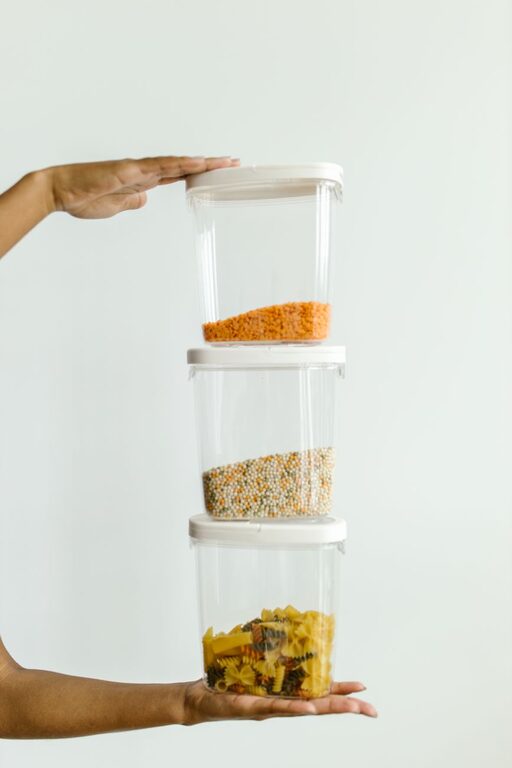
When it comes to cooking at home, relying on pantry staples can be a game changer. Whether you’re trying to save money, avoid last-minute grocery runs, or simply enjoy the challenge of creating meals from what you have on hand, planning meals from pantry staples is a smart strategy. In this post, we’ll explore how to organize your pantry, plan meals effectively, and make the most of everyday ingredients.
Why Plan Meals from Pantry Staples?
Cooking from your pantry has several advantages:
– Cost Efficiency: Using what you already have reduces the need for extra shopping trips.
– Convenience: Meals come together faster when staples are prepped and ready.
– Reduced Food Waste: Meal planning helps use ingredients before they expire.
– Creativity: It encourages experimenting with new flavor combinations and dishes.
Step 1: Organize Your Pantry
Before you start planning meals, it’s essential to know exactly what you have. Spend some time organizing your pantry:
– Group Similar Items: Keep canned goods, grains, baking supplies, and spices in separate sections.
– Check Expiry Dates: Remove expired items to keep your pantry safe and fresh.
– Use Clear Containers: Store staples like rice, pasta, and beans in clear jars to easily see quantities.
– Label Shelves or Containers: This helps you quickly identify ingredients when cooking.
Step 2: Take Inventory
Make a list of your staple ingredients. Common pantry staples include:
– Grains: Rice, pasta, quinoa, couscous, oats
– Canned Goods: Beans, tomatoes, vegetables, tuna
– Baking Essentials: Flour, sugar, baking powder, yeast
– Oils and Vinegars: Olive oil, vegetable oil, balsamic vinegar
– Spices and Herbs: Salt, pepper, garlic powder, cinnamon, chili flakes
– Nuts and Seeds: Almonds, sunflower seeds, chia seeds
– Shelf-Stable Proteins: Lentils, canned chicken, peanut butter
Knowing what you have sets the foundation for effective meal planning.
Step 3: Plan Your Meals Around Staple Ingredients
With your inventory ready, you can design meals centered on pantry staples. Here’s how:
Identify Your Base
Start with a main ingredient like rice, pasta, or beans. These form the bulk of your meal and provide energy and substance.
Add Flavor and Texture
Incorporate canned vegetables, spices, and oils to build depth and variety. For example, canned tomatoes and dried herbs can turn plain rice into a flavorful pilaf.
Include Protein
Beans, lentils, canned tuna, or peanut butter can supply protein in many meals.
Use Fresh or Frozen Add-Ins
If available, add fresh or frozen produce to complement your pantry items and balance nutrition.
Step 4: Meal Ideas Using Pantry Staples
Here are simple meal ideas to inspire your planning:
1. One-Pot Bean Chili
– Canned beans (kidney, black, or pinto)
– Canned tomatoes
– Chili powder, cumin, garlic powder
– Onion and bell pepper (fresh or frozen)
– Serve over rice or with tortilla chips
2. Pasta with Tomato and Tuna Sauce
– Pasta (any shape)
– Canned tuna
– Canned diced tomatoes
– Olive oil, garlic powder, chili flakes
– Garnish with dried herbs or parmesan
3. Lentil Soup
– Dried or canned lentils
– Canned vegetables like carrots or tomatoes
– Vegetable broth or water with bouillon
– Spices such as thyme and bay leaf
– Serve with toasted bread
4. Fried Rice
– Cooked rice (leftover or freshly cooked)
– Soy sauce, sesame oil (if on hand)
– Frozen vegetables or canned corn
– Eggs or canned chicken for protein
– Garlic powder and green onions (optional)
5. Peanut Butter Noodles
– Pasta or rice noodles
– Peanut butter mixed with soy sauce and a little vinegar
– Chili flakes for spice
– Any crunchy nuts or seeds on top
Step 5: Create a Flexible Meal Plan
Instead of rigid recipes, think of your pantry staples as building blocks. Write a weekly plan that includes:
– 3–4 main dishes based on different staples
– Swap ingredients based on what’s available
– Schedule meals that use perishable items early in the week
For example, if you have fresh spinach, plan to add it to the lentil soup or stir-fry early on before it wilts.
Step 6: Keep Your Pantry Stocked Smartly
To maintain your ability to plan easily, replenish your pantry with versatile items such as:
– Various beans and lentils
– Multiple pasta shapes or grains
– A range of canned vegetables and sauces
– Essential spices and condiments
Buy in bulk when possible and store items properly to extend shelf life.
Tips for Success
– Batch Cook: Prepare large batches of staples like rice or beans to save time.
– Mix It Up: Use different herbs and spices to change flavors with the same base ingredients.
– Get Inspired: Use meal planning apps or websites that help generate recipes based on pantry items.
– Involve Others: Share meal planning and cooking duties with family to make it fun.
Conclusion
Planning meals from pantry staples is an efficient and resourceful way to keep your kitchen running smoothly. By organizing your pantry, knowing what ingredients you have, and being creative with your meal ideas, you can enjoy delicious, home-cooked meals anytime without stress. Try these tips and see how easy and enjoyable cooking from your pantry can be!